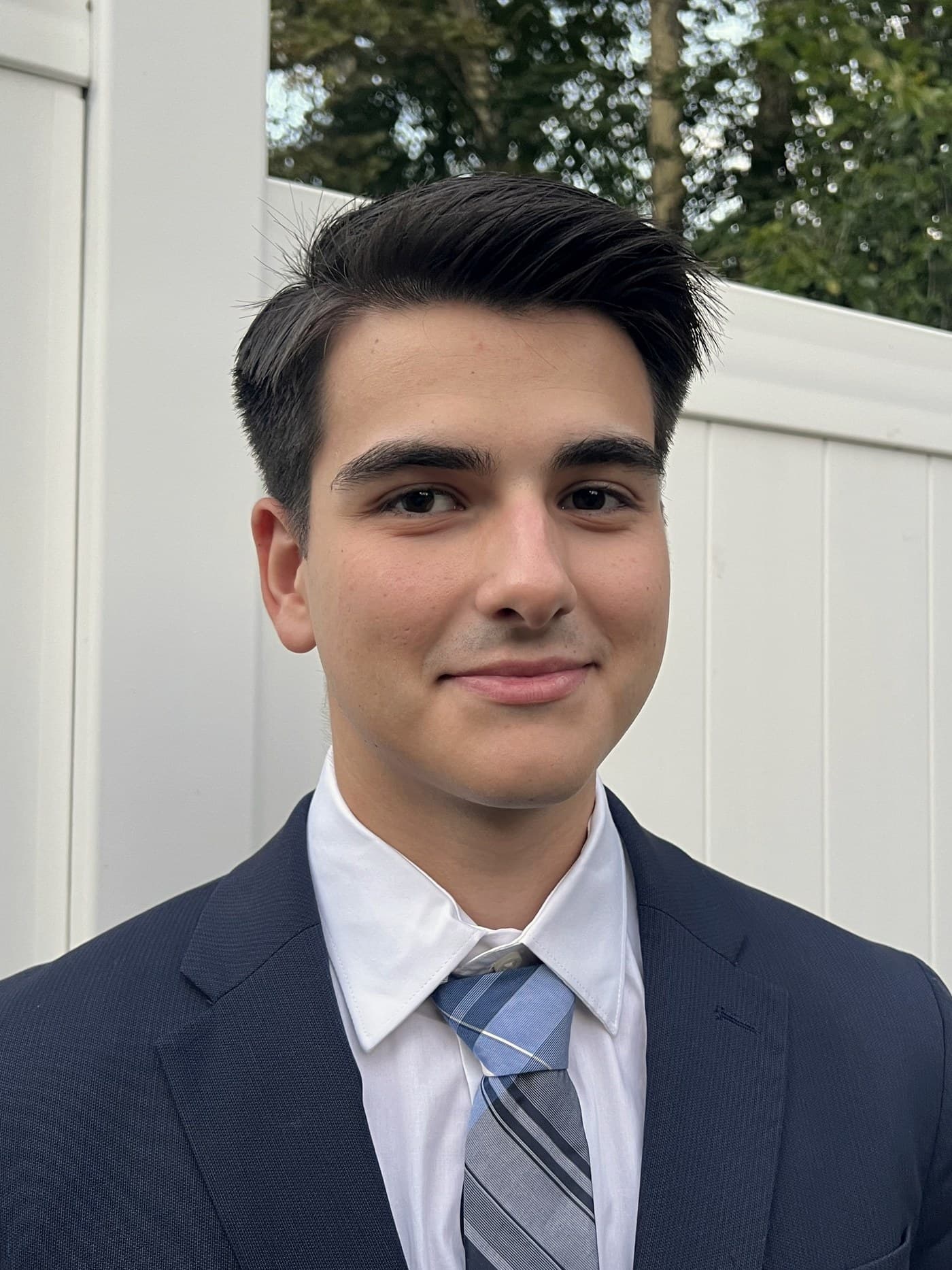
I write software full time as an engineer in the NYC metro area. That is the day job and it stays the day job. Outside projects run on my own hours, which is the honest reason I keep the number of them small. My degree is in computer science, from the New Jersey Institute of Technology in Newark, finished in May 2025.
Before the degree finished I spent about three years as an assistant manager at a busy entertainment venue, coordinating a team of over 100 people. That is where automation stopped being coursework: I wrote Python, Flask, Selenium and BeautifulSoup against the managerial and operational tasks I was accountable for. A script inside a working business has to still work on a Monday morning when nobody is watching it. Running a floor that size also means I have briefed and chased a large group of people, so deadlines and status updates are familiar ground.
I also worked as a teaching assistant in an after-school coding program, teaching Python to students aged 12 to 18: running the exercises, then sitting with them while they debugged their own code. If you do not write software yourself, that is the part worth knowing. You should finish our conversation knowing what was built, why it is shaped that way, and what to do if it stops.